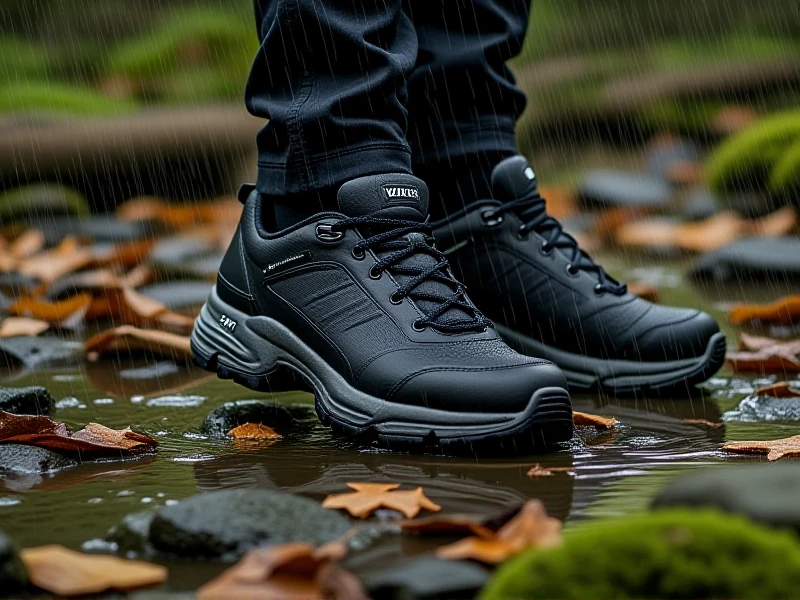
Essential Guide to Safety Shoes: Protecting Your Feet at Work
In hazardous work environments, foot protection is non-negotiable. Safety shoes serve as crucial personal protective equipment designed to shield against workplace dangers like falling objects, punctures, and electrical hazards. When selected and maintained properly, quality safety footwear not only prevents injuries but enhances productivity and long-term wellbeing.
Core Features of Quality Safety Shoes Modern safety shoes incorporate specialized protection technologies while prioritizing comfort for extended wear:
- Impact Protection: Steel or composite toe caps meet ASTM F2413 standards, absorbing impacts from heavy objects
- Puncture Resistance: Mid-sole plates prevent sharp objects from penetrating the footbed
- Slip Resistance: Advanced rubber compounds and tread patterns maintain grip on oily or wet surfaces
- Electrical Hazard Rating: Provides insulation against open circuits up to 600 volts
- Comfort Enhancements: Antimicrobial linings, cushioned insoles, and ergonomic designs reduce fatigue
Who Needs Safety Footwear? These essential protective shoes are mandated across diverse industries:
- Construction workers facing falling debris and uneven terrain
- Manufacturing personnel handling heavy machinery and materials
- Warehouse staff operating forklifts with repetitive lifting tasks
- Electrical engineers working with live circuits and wiring systems
- Laboratory technicians handling chemicals and biological hazards
Selecting Proper Protection Consider these factors when choosing work safety shoes:
- Identify specific workplace hazards through OSHA risk assessment
- Prioritize ASTM/ISO certifications relevant to your industry
- Look for breathable materials to prevent moisture buildup
- Test fit with work socks and ensure arch support
- Verify slip resistance ratings through ASTM F2913 testing reports
Maximizing Longevity & Safety
- Rotate pairs daily to allow moisture evaporation
- Replace worn treads before reaching 2mm depth
- Clean using manufacturer-approved methods to maintain material integrity
- Always fasten securely – loose laces remain a leading trip hazard
Safety footwear saves thousands of workplace injuries annually when properly implemented. Businesses report 60% fewer foot injuries after implementing comprehensive foot protection programs coupled with regular safety audits. Consult OSHA guidelines and reputable safety suppliers to ensure your team’s protective footwear addresses both compliance standards and real-world protection needs.