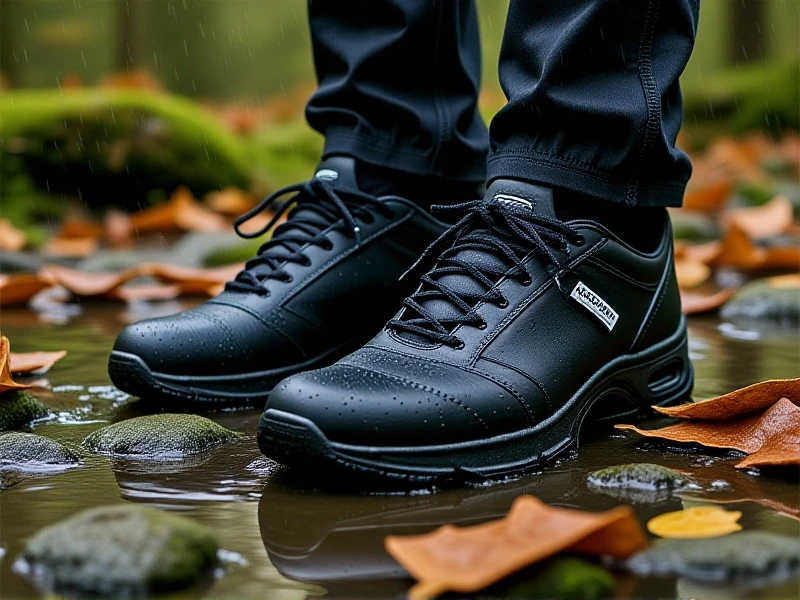
Unlock Your Peak Performance: The Ultimate Guide to Sports Shoes
Your feet are your foundation. Whether you're pounding the pavement on a morning run, dominating the basketball court, hitting the gym hard, or exploring hiking trails, the sports shoes you choose are crucial. They aren't just about style; they're essential tools for performance enhancement, injury prevention, and enjoying every step of your activity. Choosing the right pair can be the difference between a personal best and sidelined by pain.
The sheer variety of sports shoes available can feel overwhelming. Brands constantly innovate, offering models tailored for specific movements, surfaces, and foot types. The key lies in identifying your primary activity. Is it running on roads or trails? Making sharp lateral cuts in tennis or basketball? Or seeking maximum support for weightlifting and cross-training? Each discipline demands specific features:
- Running Shoes: Prioritize cushioning to absorb repetitive impact, come in neutral, stability, or motion control options, and often feature lightweight, breathable uppers. Think plush landings and energized push-offs.
- Basketball & Court Shoes: Focus on ankle support (often high-tops or mid-tops), exceptional grip for quick stops and starts, and durable construction to withstand abrasive court surfaces. Agility and containment are king.
- Cross-Training Shoes: Offer versatility. They need stable bases for lifts, sufficient cushioning for plyometrics or light runs, and side support for lateral drills. Your all-round gym workhorses.
- Trail Running & Hiking Shoes: Feature aggressive tread patterns (lugs) for superior traction on loose or muddy terrain, protective toe bumpers, and often water-resistant materials. Built for grip and durability off-road.
- Walking Shoes: Emphasis on all-day comfort and support, typically with flexible soles that promote a natural heel-to-toe roll and good arch support.
Beyond activity, consider your foot mechanics. Do you overpronate (roll inward excessively), underpronate (supinate), or have a neutral gait? Getting a gait analysis at a specialty running store provides invaluable insight. Proper fit is non-negotiable. Ensure ample toe room (about a thumbnail's width), minimal heel slippage, and a comfortable, snug feel through the midfoot. Always try shoes on later in the day when feet are slightly swollen, and wear the socks you intend to use while active. Don't forget; sports shoes aren't meant to last forever. Replace them promptly when cushioning compresses or outsoles wear down – typically every 300-500 miles for runners.
Investing time in finding the perfect sports shoes tailored to your needs pays dividends for your performance, comfort, and overall physical well-being. Give your feet the support they deserve, and they'll carry you further and faster. Stop compromising – step into the right pair today and feel the difference.