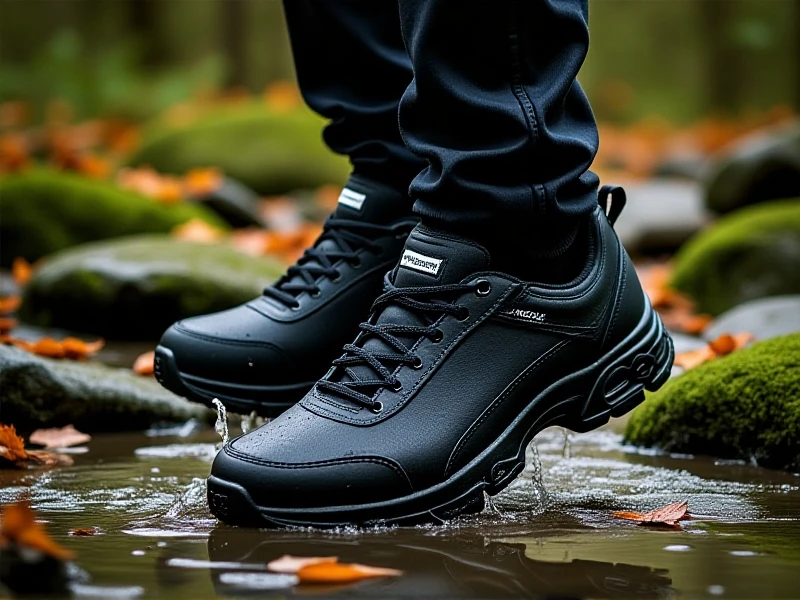
Essential Guide to Choosing Safety Shoes for Workplace Protection
In hazardous work environments, proper footwear isn't just about comfort—it’s a critical layer of safety. Safety shoes, known for their specialized protective features, shield workers from common injuries caused by impacts, punctures, electrical hazards, slips, and extreme conditions. Investing in the right pair significantly reduces workplace accidents and enhances long-term well-being.
Why Safety Shoes Are Non-Negotiable:
Occupations in construction, manufacturing, warehousing, mining, and heavy industry demand robust foot protection. Steel or composite toe caps absorb impact from falling objects, while puncture-resistant midsoles prevent sharp debris like nails from penetrating the sole. Slip-resistant treads provide grip on oily or wet surfaces, reducing fall risks. Additional features may include electrical hazard protection (EH), metatarsal guards, waterproofing, and insulation against temperature extremes.
Key Features to Evaluate:
- Safety Rating Standards: Ensure compliance with recognized certifications (e.g., ASTM F2413 in the US, ISO 20345 globally). Look for markings like "I/75 C/75 EH" indicating impact (I), compression (C), and electrical hazard (EH) ratings.
- Toe Protection: Choose between steel toe (traditional, strong) or lightweight composite (non-metallic, insulating) options based on weight requirements and potential temperature extremes.
- Sole Material & Tread: Polyurethane (PU) offers durability, while rubber provides excellent slip resistance. Deep, multidirectional lugs enhance grip on uneven or slippery terrain.
- Comfort & Fit: Look for cushioned insoles, adequate arch support, and breathable linings. Wide widths and ergonomic designs prevent fatigue during long shifts. Trying them on with work socks is vital!
- Job-Specific Needs: Consider welding (heat/fire resistance), chemical handling (acid/oil resistance), or electrostatic discharge (ESD) protection based on your specific workplace hazards.
Selecting the Best Fit:
Prioritize safety certifications first, then match features to your daily tasks. Don’t overlook comfort – uncomfortable safety shoes lead to reduced wear compliance, undermining protection. Break them in gradually before demanding work. Regularly inspect for damage like worn treads, cracks, or compressed toe caps. Replace immediately at signs of compromise or every 6-12 months with heavy use.
Conclusion:
Choosing high-quality safety shoes is a direct investment in employee safety and productivity. Understanding the necessary protections for your job role ensures you select footwear meeting required safety standards while providing comfort for all-day wear. Protect your foundation – consult safety professionals and reputable suppliers to find the optimal safety shoes for your demanding environment.