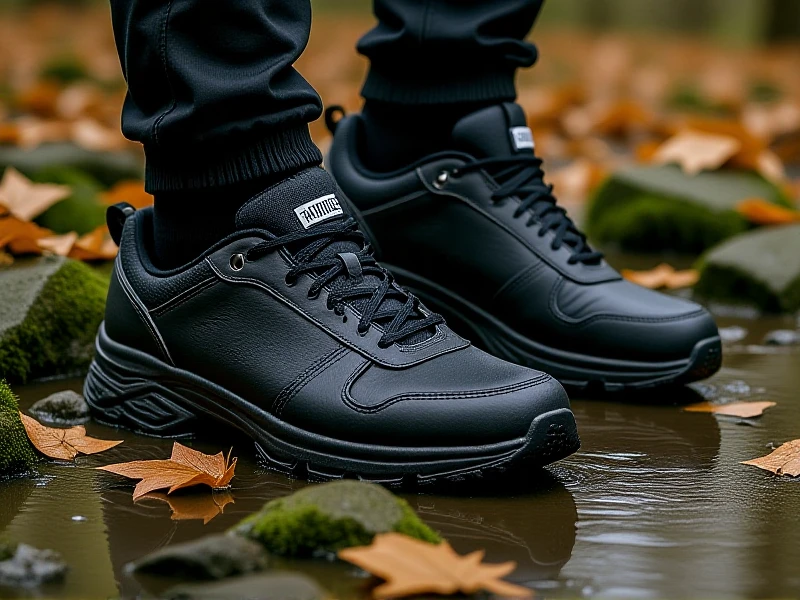
Essential Guide to Safety Shoes: Protect Your Feet on the Job
Did you know that foot injuries remain a significant workplace hazard across industries? Investing in proper Safety Shoes isn't just compliance; it's a vital investment in your health and well-being. These specialized boots deliver indispensable protection against hazards that could otherwise lead to debilitating injuries and costly downtime.
Why Safety Shoes are Non-Negotiable
Imagine heavy objects falling, sharp debris littering the floor, slippery surfaces, or unexpected electrical currents. Everyday work environments contain numerous risks. Safety Shoes, specifically designed to meet rigorous standards (like ASTM F2413 or EN ISO 20345), provide a critical barrier. They integrate essential protective features directly into their construction:
- Toe Protection: Reinforced steel, composite, or aluminium caps shield your toes from crushing impacts.
- Puncture Resistance: Embedded midsoles stop sharp objects like nails or glass shards from penetrating the sole.
- Slip Resistance: Specialized outsoles with deep treads dramatically reduce fall risks on oily, wet, or uneven surfaces.
- Electrical Hazard (EH) Protection: Provides a secondary safeguard against accidental contact with live electrical circuits.
- Metatarsal Guards: Extra protection for the vulnerable upper foot bones from impacts.
- Oil/Chemical Resistance: Materials chosen to withstand exposure without breaking down.
Choosing the Right Safety Shoes for You
Selecting the ideal pair hinges on your specific job function and environment. Construction workers need rugged boots with excellent impact protection and slip resistance. Electricians require EH-rated boots. Factory workers might prioritize lightweight composite toes and comfort for long shifts. Regardless of the role, features matter:
- Comfort & Fit: Look for cushioned insoles, adequate arch support, breathable linings, and a comfortable fit that accommodates potential swelling throughout a long day. Proper fit prevents blisters and fatigue, enhancing safety.
- Material: Full-grain leather offers excellent durability and abrasion resistance. Waterproof membranes keep feet dry. Breathable synthetics work well in warmer conditions.
- Compliance: Verify that your Safety Shoes meet the specific safety standards required for your location and industry.
Protection That Pays Off
Beyond preventing agonizing injuries like fractures, lacerations, or punctures, wearing the right Safety Shoes boosts confidence and productivity. Workers feel more secure tackling challenging tasks. Employers benefit through reduced accident rates, lower workers' compensation claims, and improved compliance.
Essential Maintenance
To maximize protection and lifespan, regularly inspect your Safety Shoes. Check for cracks, worn treads, punctures, or damaged toe caps. Clean away dirt and debris; some materials benefit from conditioning. Don't wear damaged shoes – their protective qualities are compromised.
Step Into Safety
Your feet bear your weight day in and day out. They deserve the best possible protection. Safety Shoes are a fundamental component of Personal Protective Equipment (PPE), acting as your first line of defence against preventable workplace hazards. Don't compromise – choose certified, well-fitting Safety Shoes designed for your specific risks. It’s an investment in your health that truly counts. Get the right protection today!